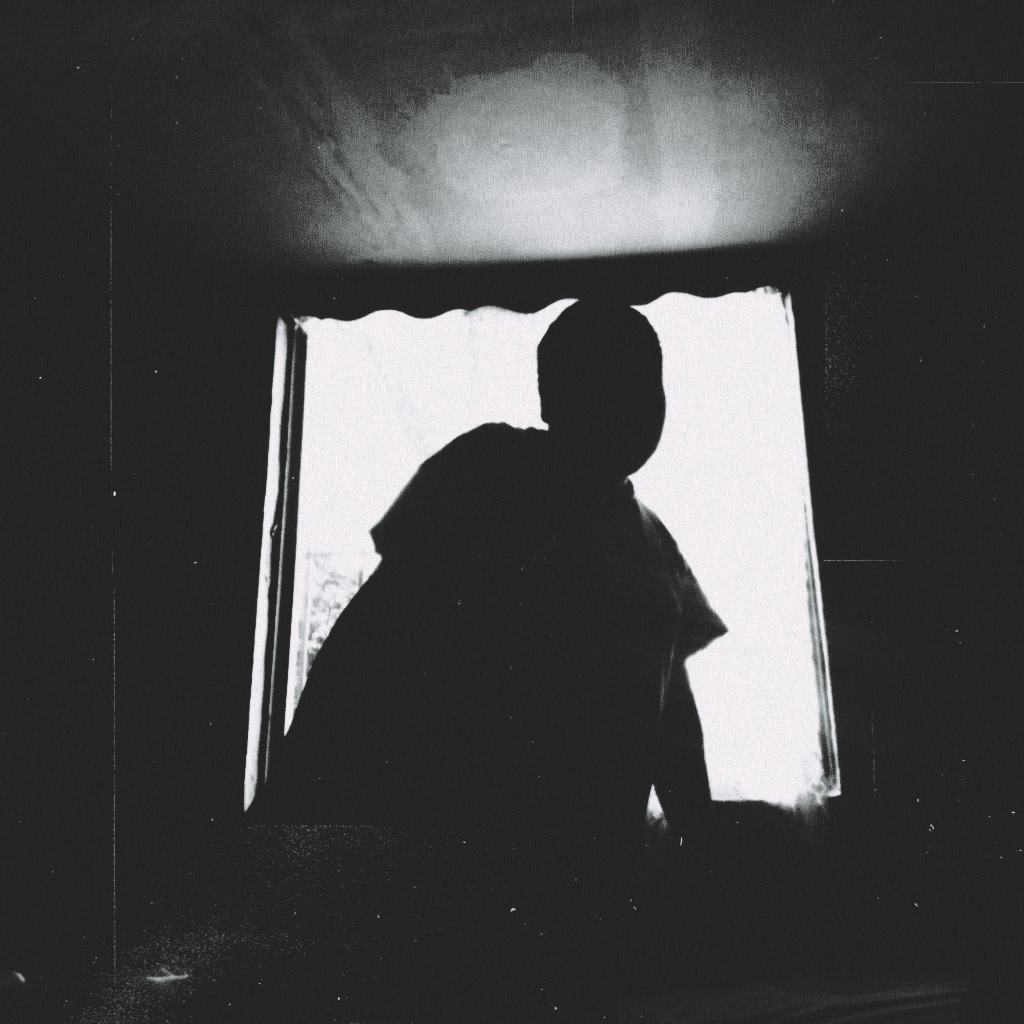
Before his name was spoken for the first time, the world breathed differently.
There was no “ugly.” There was no “beautiful.” The words themselves had not yet been invented.
Men and women walked the earth without shame. They carried crooked bodies, twisted limbs, faces scarred by storms, and no one thought less of them. Scars were stories, not wounds. Wrinkles were maps, not punishments. In those days, no one gazed into mirrors, for there was no need to compare. Existence simply was.
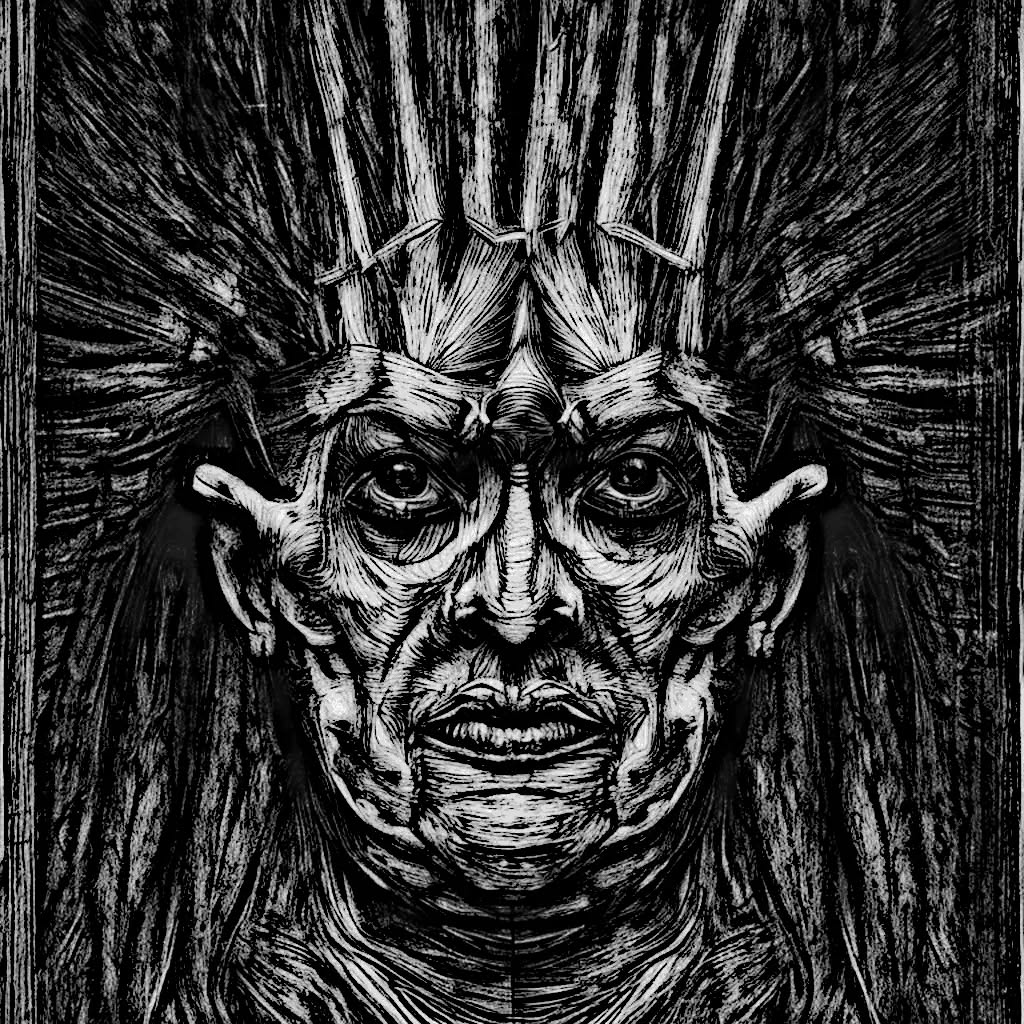
And then, ROKLA appeared.
He did not descend in fire, nor did the skies tremble at his coming. He arrived like a whisper, like a thought you wish you hadn’t had but cannot silence. Some said he was born from the first man who doubted his own reflection in the water. Others believed he had always been present, waiting for a fragile heart to invite him in.
The truth is that ROKLA created nothing new. He did not invent hatred or shame. He gave them shape. He gave them law.
It began quietly. A boy with a bent spine heard a voice deep inside: “You are wrong.”
A woman with trembling hands looked at herself and thought: “I am weak, unworthy of love.”
A man scarred by fire hid his face, no longer praised as brave but whispered about as grotesque.
That voice was ROKLA.
He did not strike with weapons, nor raise armies. He struck with thoughts. He carved doubt into the marrow of humanity. He showed them that they could measure one another, compare one to the other, decide who was fit and who was not.
Soon the streets grew quieter. Children no longer played freely, ashamed of their bodies. Lovers no longer embraced openly, fearing the ridicule of others. A silence fell upon the world, heavy, suffocating, woven from invisible chains of shame.
And at the heart of it, ROKLA stood, watching, satisfied.
He was called a god, for his presence was everywhere: in every glance, in every cruel word, in every silence that screamed more than speech. But he was also called a devil, for he brought no comfort, only accusation.
Paradox defined him. He saw himself not as tyrant but as judge. In his own words:
“I do not condemn. I reveal. I show mankind its truth, stripped of illusions. Without me, you would wander blind, believing yourselves whole when you are broken.”
Perhaps that was his greatest tragedy—ROKLA did not see himself as cruel. He believed he was just. In revealing imperfection, he thought he was purifying the world.
Yet in this obsession, he became consumed by prejudice himself. He despised weakness. He scorned fragility. He loathed the sight of human vulnerability so much that his hatred swallowed him whole. ROKLA was not only the judge of others—he was the prisoner of his own judgment.
No temple was built in his honor. No prayers rose to his name. He was not loved, only cursed.
They blamed him for stealing the innocence of the world, for turning neighbors into enemies, for poisoning every heart with doubt.
But even as they cursed him, they obeyed him.
Because people needed ROKLA. They needed someone uglier, weaker, more “unworthy” than themselves to point at, so they could feel momentarily safe. They needed an outcast to keep the illusion of belonging. And so they whispered his name in hatred but practiced his law in silence.
ROKLA became indispensable—the enemy everyone despised, and the voice everyone repeated.
Generations passed. Children were born already knowing shame. Mothers wept when their sons bore crooked backs or blemished skin. Men and women covered themselves, disguising their “flaws” as if they carried sins carved into flesh.
And the world, once a chaotic garden of diverse forms, became an endless stage where all performed the same desperate act: the illusion of perfection.
Above it all stood ROKLA. Neither smiling nor weeping, only watching. Watching the world suffocate under the weight of his silent decree.
But there was a fracture in his dominion, a contradiction carved into his own blood.
ROKLA had a daughter—REYUH.
She was everything he was not. Where he saw deformity, she saw poetry. Where he sowed contempt, she cultivated tenderness. To her, crooked bodies and scarred faces were beautiful in their defiance.
Her very existence threatened his reign. For if even the daughter of the Judge could love what he condemned, perhaps the world was not as rotten as he declared.
And in secret, ROKLA feared her. Not for her beauty, nor her rebellion, but for the possibility that she might prove him wrong.
There are fragments of old stories that tell of their quarrels.
One speaks of a night when REYUH found her father among the ruins of a village he had filled with doubt.
Reyuh: “Why must you make them hate themselves?”
Rokla: “I do not make them. I only hold the mirror. Their hatred was always there.”
Reyuh: “But if you are the mirror, then you choose what they see.”
Rokla: “No. I show what is true. They are twisted, broken, unworthy.”
Reyuh: “And yet, Father… even in their brokenness, I find beauty you cannot see.”
ROKLA turned away from her that night, but for the first time in his reign, he felt doubt creep into his heart—the same doubt he had planted in all others.
Today, when someone stares into the glass and feels disgust, there is ROKLA.
Today, when someone points at another and whispers “hideous”, there is ROKLA.
He has no throne, no altar, no crown, and yet he rules more strongly than any god of fire or war.
But his reign is fragile. For in every whispered insult, in every tear shed before the mirror, there lies the faint memory of a time before judgment. And there lies his greatest enemy: not an army, not a hero, but his own daughter, who dares to love the condemned.
Perhaps that is the fate of all cruel gods: not to fall by the sword, but to be undone by the fragile humanity they despise.
ROKLA is not merely a god of your world. He is the system that turns difference into crime, the voice that convinces us we must be flawless to be worthy. He is alive whenever society condemns the scarred, the aged, the poor, the imperfect.
He is hated, yet needed. Denied, yet obeyed. A mirror no one wants to look into but no one dares to break.
And so his story continues—not as a myth of the past, but as the unspoken truth of every society that builds its temples out of shame.
 Luke Alexander
Leave a comment