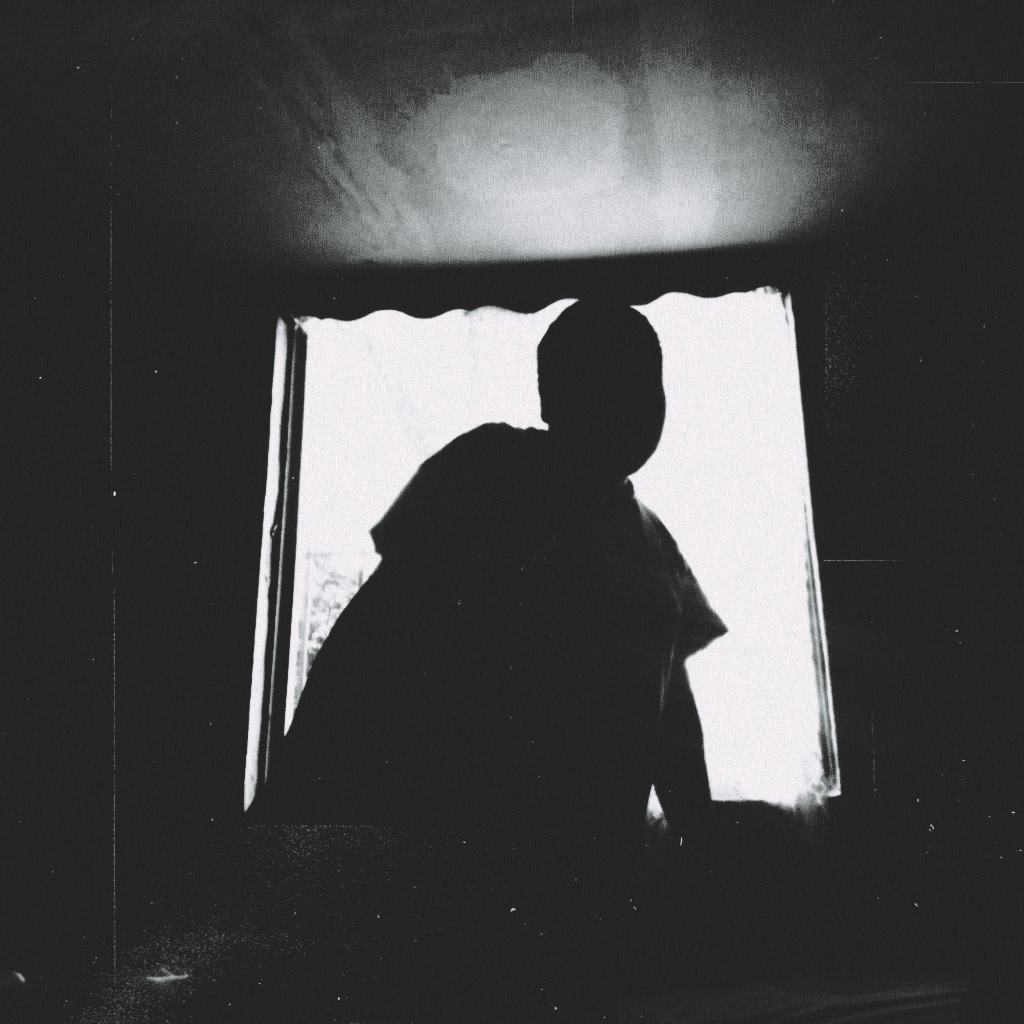
If ROKLA was the whisper of shame, REYUH was the echo of defiance.
She was born beneath the same shadow that her father had cast upon the world. But unlike him, she did not arrive as a thought, nor as a curse. She arrived crying, her voice human, fragile, unbearably alive.
The people trembled when they heard that ROKLA, the Judge of the Imperfect, had a child. They expected a monster carved in stone, a living mirror of his cruelty. But what they found was a girl whose eyes carried not fire, but light—light that revealed, light that softened.
REYUH grew into a woman unlike anything her father had predicted.
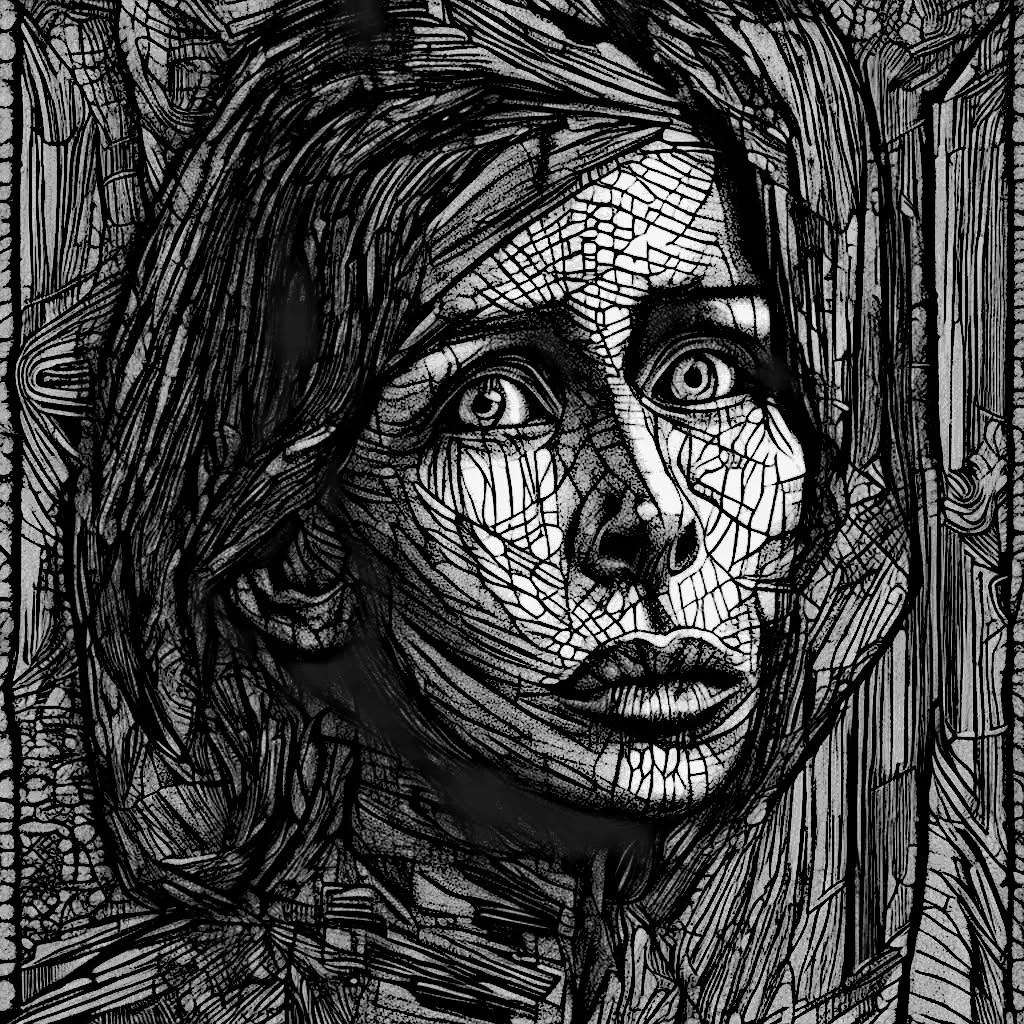
Her face was radiant not because it was flawless, but because it did not fear imperfection. Her hair, dark and wild, refused to be tamed. Her skin carried marks of the sun, of work, of laughter, and she bore them proudly.
ROKLA hated this. Not her beauty—though he denied it—but her refusal to hide it. For REYUH did not cover her scars. She did not silence her laughter. She moved among the people with an openness that mocked his law of concealment.
It was said that when REYUH walked through the villages, mothers uncovered their children’s faces, no longer ashamed of their crooked noses or twisted legs. Old men straightened their backs, not to appear perfect, but to greet her with dignity. Even the outcasts who hid in shadows found themselves drawn toward her, as if her presence alone could remind them that they were still human.
Where ROKLA whispered “Hide,” REYUH answered “Be seen.”
Where he demanded “Judge,” she declared “Love.”
Yet REYUH was not only her father’s opposite—she was his betrayal.
For among the people, she fell in love. His name was ROLONOS, a man of the world her father despised: scarred, imperfect, living proof of what ROKLA condemned.
No one could understand how their love began. Some say it happened in silence, when their eyes met across a crowd burdened by shame. Others tell of a day when REYUH touched his face and said softly, “Here is beauty my father will never see.”
Whatever the truth, their love was dangerous. To love openly was already rebellion. To love someone condemned by ROKLA’s law was treason.
ROKLA, upon discovering their bond, raged with a fury not seen before.
Rokla: “You betray me, daughter. You lie with what is broken. You exalt what is cursed.”
Reyuh: “No, Father. I exalt what lives. You call them cursed because you cannot stand their truth. But I… I see in them the beauty you blinded yourself to.”
Rokla: “You dare speak against me?”
Reyuh: “I do more than speak. I love. And that is something you will never understand.”
It was in that moment that ROKLA realized his greatest enemy was not the people he had condemned, nor the gods who opposed him, but his own blood.
Through REYUH’s love, whispers of resistance spread. The people began to believe that perhaps ROKLA’s judgment was not truth, but choice. That his law was not eternal, but fragile.
Mothers stopped covering their children. Young men with scars stopped hiding their faces. Lovers held hands in the open. And in each act of defiance, the name of REYUH was spoken like a prayer.
Yet she did not claim worship. She did not crown herself in glory. She lived simply, moving among them, speaking softly, touching the hands of the broken as though they were sacred.
Her power was not thunder, but tenderness. And that, perhaps, terrified ROKLA most of all. For thunder he could silence. But tenderness—tenderness spread like fire through dry grass, silent, unstoppable.
But REYUH’s story is no simple tale of triumph. For though she defied her father, she was still bound to his world. ROKLA’s law ran deep, poisoning generations.
There were nights when REYUH wept in secret, knowing that her love for ROLONOS placed him in danger. Nights when she wondered if she was strong enough to face the weight of her father’s hatred. And though she was adored by the broken, she was despised by the powerful, who owed their influence to ROKLA’s cruel order.
Her story is not one of victory, but of resistance. A love that shines even as the shadow grows darker. A defiance that inspires, even if it cannot yet destroy.
If ROKLA is the mirror that distorts, REYUH is the flame that reveals.
She does not destroy his power, but she weakens it. She does not silence his voice, but she teaches others how to ignore it.
Today, whenever someone dares to love themselves in spite of the mirror, there is REYUH.
Whenever a scarred hand is held in tenderness, there is REYUH.
Whenever a child laughs without shame, there is REYUH.
She is not a goddess. She is not perfect. She is something greater: proof that even in the darkest worlds, love can survive, and in surviving, it can resist.
REYUH is more than a daughter rebelling against her father. She is the reminder that tenderness is revolutionary, that to love the condemned is to overthrow the law of shame. She represents the fragile hope buried beneath oppression: not the hope of destroying the tyrant in one stroke, but of outlasting him, of proving him wrong with every act of compassion.
She is dangerous not because she wields power, but because she teaches others that they have it. And in a world built on silence, her voice—even a whisper—is enough to make the foundations tremble.
 Luke Alexander
Leave a comment